Small-Kitchen Storage That Earns Its Space
By Love Coma Cakes Editorial · August 5, 2026 journal issue · Published October 10, 2026
Measure first, organize around daily habits and choose small-kitchen storage that saves effort as well as space.
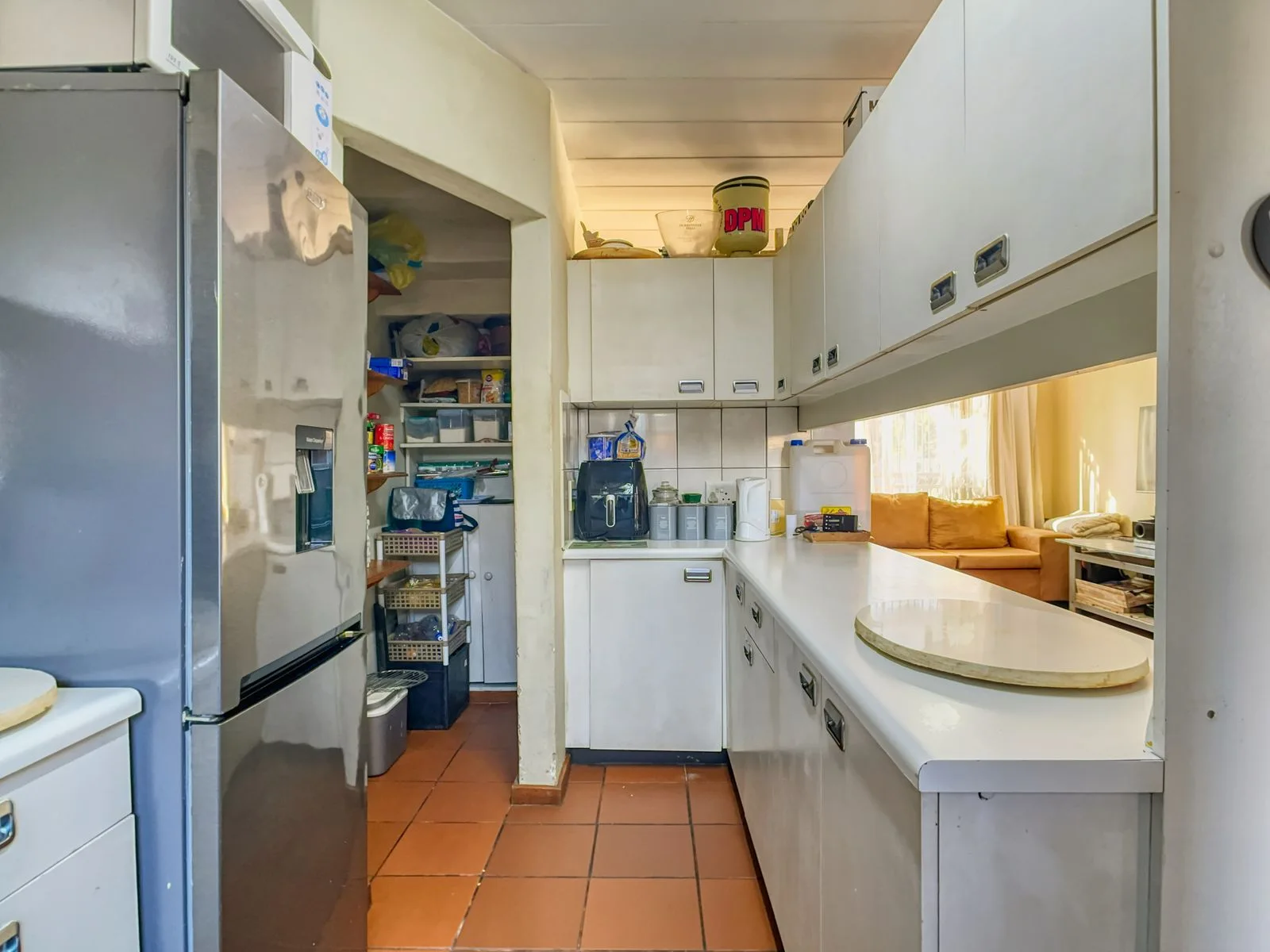
Illustrative photography by Alexander F Ungerer / Pexels. Images show editorial inspiration, rather than a product or recipe test.
In a small kitchen, the drawer that will not close is rarely the whole problem. The mixing bowl may be behind the salad spinner, the lunch-box lids may be in another cupboard and the baking tray may require removing three pans. There can be enough room for the objects yet too little room for the actions. Useful storage makes ordinary tasks easier to begin and easier to put away.
Our buying advice is research-led. Links may take you to retailers; any paid relationship is identified beside the link. See our affiliate disclosure.
Before ordering a collection of matching organizers, choose one troublesome area. Work on the cupboard that delays dinner or the drawer that frustrates breakfast. A focused change lets you see whether the proposed solution fits your habits before applying it throughout the kitchen.
Measure the opening, not just the interior
A shelf can be wider inside than the doorway through which an organizer must pass. Hinges, plumbing and the thickness of a door also reduce usable space. Measure height, width and depth at the narrowest relevant points. Check whether a drawer can open fully with the proposed accessory in place.
Write down the measurements and photograph the empty space. Include the objects that need to fit. A container’s advertised capacity does not tell you whether it accommodates a long rolling pin or an unusually shaped casserole lid. Leave room for hands to lift and return items; a perfect geometric fit can be awkward in use.
Sort by the work you actually do
Bring together tools used for the same activity. A baking group might include the scale, measuring spoons and spatula. A packed-lunch group could hold the containers and reusable cutlery. Store frequently used objects where they are easy for the household to reach, respecting appliance clearance and other manufacturer requirements.
Seasonal or occasional items can move farther from the main work area if there is a suitable place elsewhere. This is a decision about frequency, not a rule that every person should own fewer things. A cake carrier used every month deserves different access from one borrowed once a year.
Avoid storing heavy objects high merely because a top shelf is empty. Choose a stable, accessible arrangement suited to the people using it. If a solution requires mounting, follow the product’s installation instructions and any tenancy restrictions rather than treating adhesive strips as universal hardware.
Match the organizer to the obstruction
| The recurring problem | A possible solution | What to check before buying |
|---|---|---|
| Stacked trays must all come out at once | Vertical divider | Shelf height and spacing for thick rims |
| Small jars disappear at the back | Shallow pull-out bin | Door clearance and comfortable loaded weight |
| Mugs leave unused space above them | Freestanding shelf insert | Stability and room to lift each mug |
| Lids slide behind larger containers | Adjustable lid compartment | Compatibility with handles and unusual shapes |
| Tiny items scatter through a deep drawer | Removable drawer bins | Actual internal dimensions and easy cleaning |
Rotating organizers are appealing for jars because they bring the back toward you. Their circular footprint also leaves unused corners in a rectangular cupboard. Compare the usable arrangement with a simple bin before assuming movement means more capacity.
Test with something you already own
A shallow box can stand in for a proposed pull-out basket. Folded cardboard can help estimate a divider’s spacing without becoming the final installed solution. Use these temporary models to understand the dimensions, then choose an appropriate product if the approach proves useful.
For several days, notice whether everything goes back naturally. If you avoid lifting a basket because it has become too heavy, reduce its contents or choose a different arrangement. If the family leaves lids on the counter, the lid compartment may be inconvenient rather than the family insufficiently organized.
Be cautious with uniform containers
A row of matching jars is pleasing, but transferring every ingredient creates work and can separate food from useful packaging information. Keep necessary labels, directions, allergen information and dates available. An original package inside a suitable bin may work better than a full decanting system.
Buy storage containers gradually. Start with the items that genuinely need a better home and confirm their volume and dimensions. A generous container that is half empty occupies its full footprint. The guide to choosing food containers looks at this balance in more detail.
Leave some breathing room
The most useful cupboard is not necessarily the fullest cupboard. A little empty space allows a hand to turn a pan, a new packet to join the groceries and a cleaned item to return without a puzzle. Store one layer deep where practical for objects that are hard to identify from above.
After changing a zone, remove the displaced organizer if it no longer serves a purpose. Keeping every previous solution can quietly consume the space you hoped to recover. A storage purchase should retire a problem, not simply add another category of possessions.
Frequently asked questions
Are clear bins always best?
Visibility helps when contents vary, but opaque containers may suit open shelves or light-sensitive items when appropriate. Labels can make either approach easier. The dimensions and access matter more than a particular appearance.
Is a wall rail a good idea?
It can be, if the wall, fittings and installation are suitable and the stored items do not interfere with the work area. Consider grease, dust and cleaning access for anything kept openly near cooking activity.
How many organizers should I buy at once?
Enough for one tested zone. Expand only after normal use shows that the approach works. Explore more measured household choices in Kitchen & Home.
This story belongs to our August 2026 editorial issue. This edition was published and reviewed on October 10, 2026. Our guidance is based on editorial research and practical planning, not an undisclosed hands-on product test.