A Thoughtful Gift for a Home Baker
By Love Coma Cakes Editorial · October 5, 2026 journal issue · Published October 10, 2026
Choose a useful baking gift by noticing what someone makes, how they store tools and which small problem a present could solve.
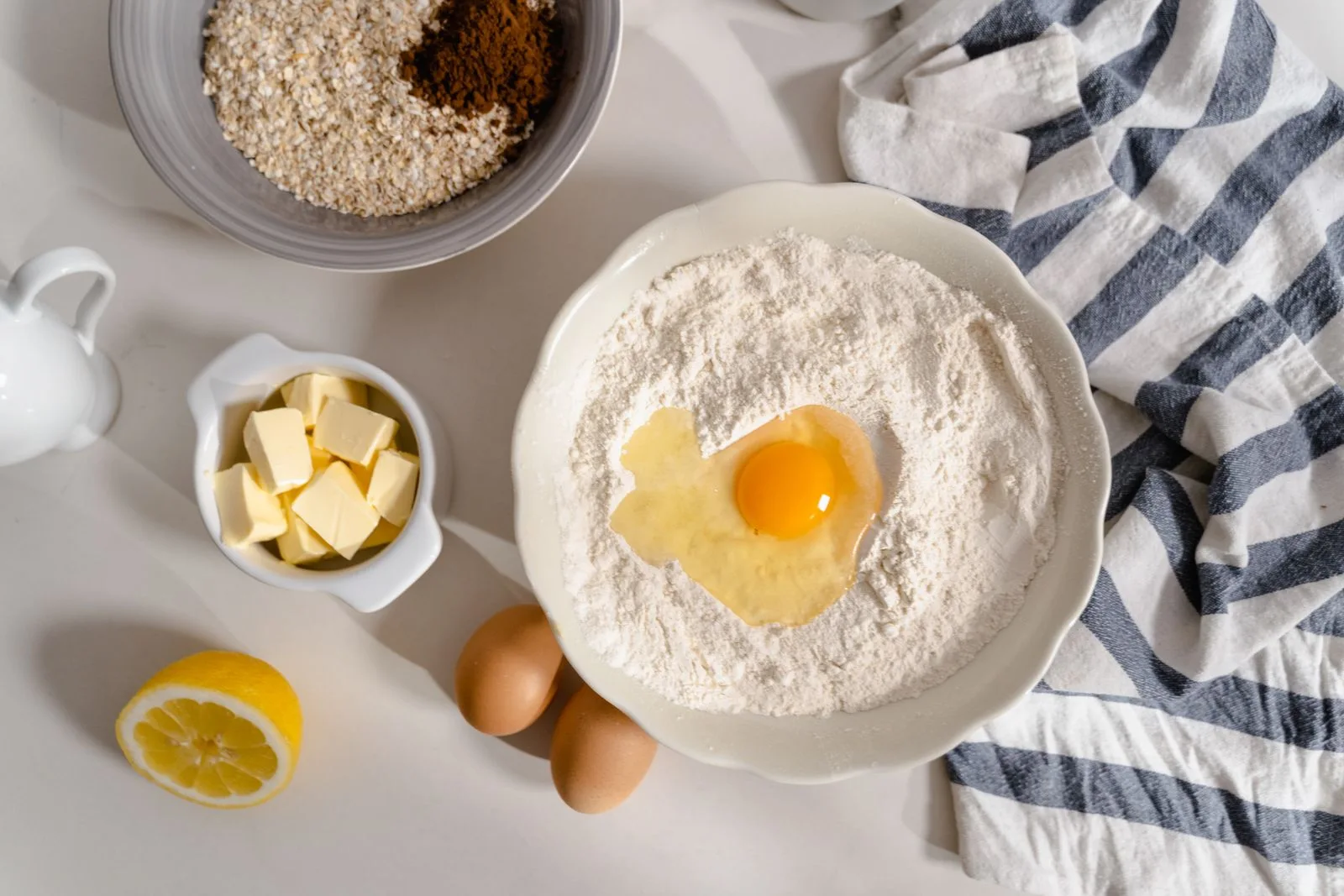
Illustrative photography by MART PRODUCTION / Pexels. Images show editorial inspiration, rather than a product or recipe test.
Buying for someone who enjoys baking can feel surprisingly difficult. They already have a favorite bowl, strong opinions about their spatula and less cupboard space than the gift guide imagines. A thoughtful present begins with their routine rather than the baking aisle. Notice what they make, what they carry to other people and which stage of the process regularly causes inconvenience.
Our buying advice is research-led. Links may take you to retailers; any paid relationship is identified beside the link. See our affiliate disclosure.
The best choice might be a modest tool, a carefully chosen ingredient or the chance to select something themselves. Bigger equipment is not automatically more generous. A present should fit the recipient’s kitchen and preferences without creating a new obligation to use or store it.
Start with a few discreet questions
Ask what they have been enjoying baking lately. A bread enthusiast, a birthday-cake decorator and someone who makes occasional cookies need different things. Ask whether there is a tool they have been meaning to replace. If the gift is a surprise, a household member may know the dimensions of an existing pan or whether a carrier would fit it.
Avoid interpreting a busy hobby as a request for a new one. Someone who likes simple tray bakes may not want a specialist decorating kit. Likewise, a beginner may prefer one reliable piece with clear instructions over a large set of unfamiliar accessories.
Choose one complete, modest idea
A small bundle works best when its pieces belong to the same task. A suitable baking tray and a compatible cooling rack form an understandable pair. A notebook and a carefully selected baking book can support planning without taking over a cupboard. Check dimensions and compatibility rather than assuming objects sold together necessarily fit the recipient’s setup.
Keep the bundle restrained. Packaging full of tiny gadgets can make a present look abundant while leaving the baker to sort, store and discard things they never needed. Spend the budget on the part that matters, and include a gift receipt where possible.
| What they enjoy | A gift direction | What to confirm |
|---|---|---|
| Everyday cookies | Tray, scoop or cooling rack | Oven space and existing preferred size |
| Celebration cakes | Offset spatula or suitable carrier | Cake dimensions and storage room |
| Recipe precision | Readable kitchen scale | Capacity, units and existing equipment |
| Sharing bakes outside the home | Reusable transport container | What they carry and how they travel |
| Learning new recipes | Thoughtfully chosen book | Skill level, interests and dietary needs |
| A very well-equipped kitchen | Recipient-chosen purchase | Preferred retailer or exact wish list |
Be careful with specialist equipment
Large mixers, unusual pans and countertop appliances require more information than an attractive photograph provides. Measure the intended storage and working space, and check the manufacturer’s clearance requirements where relevant. Consider the weight, cleaning process and available accessories for the exact model.
If a major purchase is genuinely wanted, ask for the precise model or agree on the choice together. A color preference can matter for an appliance that stays visible every day. So can the recipient’s ability to move it comfortably. The surprise is less valuable than getting an expensive, lasting item right.
For smaller tools, read the material and care instructions. A utensil that needs hand washing may be welcome in one kitchen and inconvenient in another. Replacement parts, return conditions and a clear product description are worth more than an unsupported superlative on the box.
Ingredients need context too
Food gifts can be lovely, but ask about allergies, dietary requirements and preferences. Keep ingredients in their original labeled packaging and check dates and storage directions. A selection chosen for a real recipe is easier to use than a collection of unusual ingredients without a plan.
Do not decant ingredients into decorative jars if doing so removes important information. Include the original packaging or choose a presentation that preserves it. For fresh or temperature-sensitive items, follow the appropriate handling and transport guidance; a gift bag is not a storage solution.
If you are unsure about tastes, choose a non-food gift or let the recipient select the ingredient. A voucher to a place they already use can be more personal than a speculative luxury item, especially when paired with a short note explaining the intended treat.
Look beyond the object
A baking book can include a handwritten invitation to choose a recipe for a shared afternoon. A carrier might come with an offer to help transport the next celebration cake. These gestures work when they are real commitments that suit the recipient, not promises added to make a purchase feel meaningful.
Pay attention to the giver’s expectations too. A present should not require photographs, a special bake or an immediate demonstration. Give the baker room to use it in their own time. Include straightforward return information and let them know an exchange is welcome if the size or format is wrong.
Make the final check
Before wrapping, confirm what is included. Some tools pictured with accessories are sold without them. Remove price stickers if appropriate while keeping necessary product information, instructions and receipts. Avoid throwing away packaging needed for a return.
If the present changes how something will be stored, think through that consequence. A tall cake stand can occupy more room than expected, while a flat serving plate might earn frequent use. The guide to a simple everyday table offers useful perspective on choosing pieces that do several jobs.
Frequently asked questions
Is it rude to ask for a wish list?
For a specialized hobby, asking can be considerate. You can still make the presentation personal through a note or one thoughtful complementary item.
What is safest for a beginner?
Choose around a recipe or task they already want to try, with clear instructions and suitable dimensions. Avoid assuming that a large collection of equipment is necessary to begin.
What if they already own it?
Include a gift receipt and make exchanging easy. A useful gift should reduce friction, including the friction of receiving the wrong tool. Browse Kitchen & Home for more considered buying advice.
This story belongs to our October 2026 editorial issue. This edition was published and reviewed on October 10, 2026. Our guidance is based on editorial research and practical planning, not an undisclosed hands-on product test.