Packing Homemade Bakes for a Journey
By Love Coma Cakes Editorial · March 5, 2026 journal issue · Published October 10, 2026
Plan the container, route and arrival for homemade cakes and cookies, with sensible buying advice for carriers and reusable wrapping.
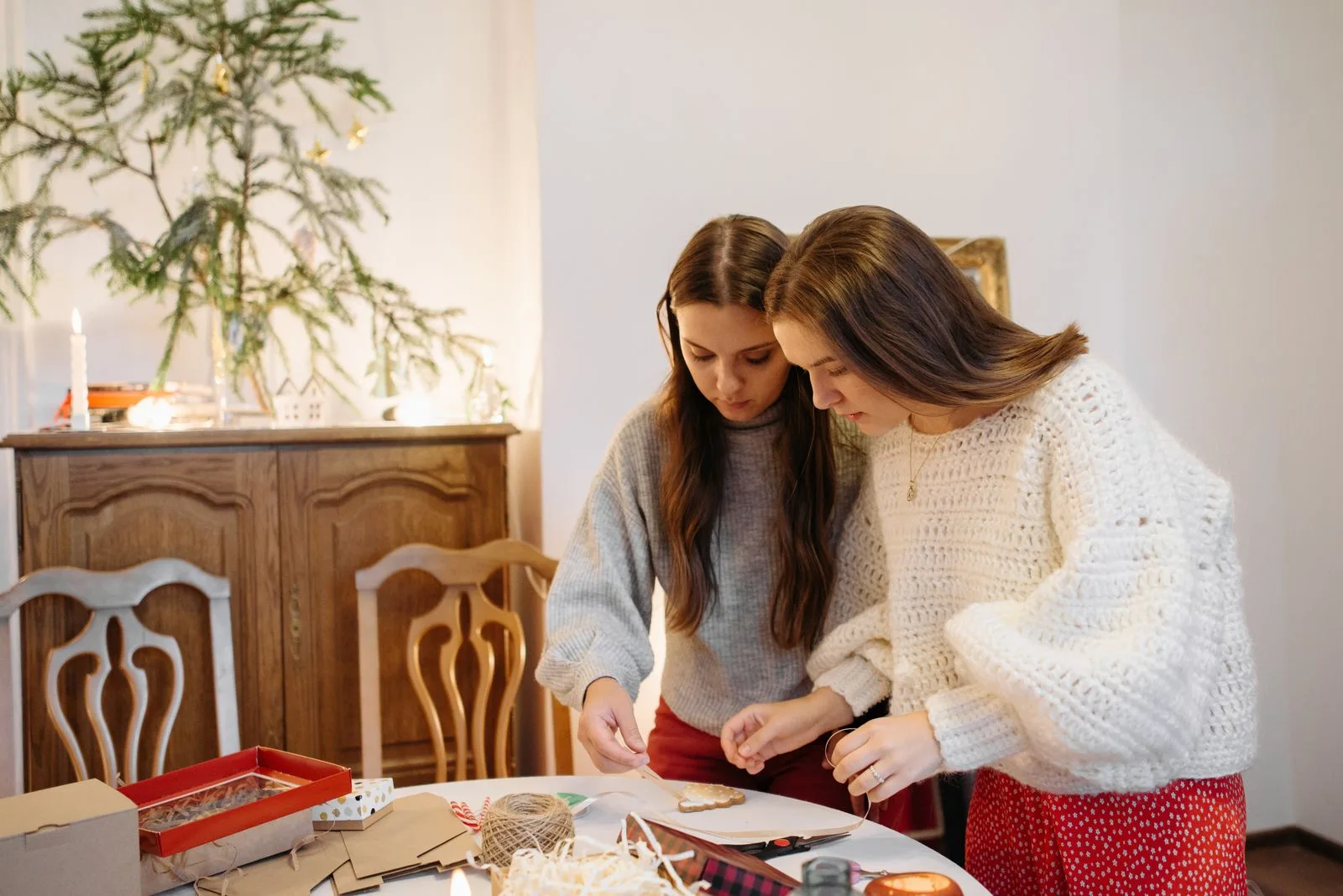
Illustrative photography by Pavel Danilyuk / Pexels. Images show editorial inspiration, rather than a product or recipe test.
The journey belongs in the baking plan. A cake that looks lovely on a kitchen counter may be difficult to carry on a bus, and cookies packed while warm can arrive with a changed texture. Before choosing a recipe, consider how long the trip takes, whether refrigeration is available and who will carry the container. These practical questions often lead to a simpler, more reliable bake and fewer last-minute packaging purchases.
Our buying advice is research-led. Links may take you to retailers; any paid relationship is identified beside the link. See our affiliate disclosure.
Choose a bake that suits the route
A low, sturdy bake may be easier to transport than a tall cake with delicate decorations. This is a handling decision, not a reason to ignore food safety. Follow the recipe’s storage guidance and the requirements of perishable fillings or toppings. If suitable temperature control cannot be maintained, select another recipe rather than assuming a short-looking journey makes every filling appropriate.
Think about the final approach: stairs, uneven paths, public transport and carrying other bags. Ask the host whether there is space for the container and whether a plate, serving knife or refrigerator shelf is available. Do not arrive with a cake that requires a large clear shelf if the host is already preparing a meal for many guests.
| Journey | Packaging priority | Planning question |
|---|---|---|
| Short walk to a neighbor | Secure closure and comfortable grip | Can it be carried level? |
| Public transport | Compact, stable container | Can one person manage it safely? |
| Car journey | Flat supported placement | Will it slide during braking? |
| Bake requiring chilling | Suitable temperature control | Can storage requirements be met throughout? |
Cool before packing
Give the bake its full recipe-directed cooling time. Warmth trapped in a closed container can create condensation and affect texture. Cooling also makes many bakes easier to handle without damage. Do not decorate or box a cake simply because the exterior feels ready while the center remains warm.
Prepare the container during cooling. Wash and dry reusable packaging as directed, check the lid and remove anything that might press against the food. Place the intended cake board or serving plate inside before the cake is finished to confirm that it fits. A quick dry run is easier than moving a decorated cake between several unsuitable boxes.
Match container shape to the food
For cookies or tray bakes, a shallow container can reduce stacking and make portions easier to remove. Separate layers only with food-contact materials suited to the task. Keep strongly flavored varieties apart when appropriate, and avoid pressing soft or decorated items under heavier ones. A deep container is not always more protective if it leaves everything free to move.
For a cake, check internal base dimensions and usable height, including any frosting or decorations. The lid should clear the cake without requiring a careful balancing act. A cake carrier’s advertised diameter may not describe the entire usable space. Inspect the closure and handle instructions, and make sure the product is intended to be carried in the way you plan.
Buy a carrier for repeated use
A reusable carrier makes sense when it supports regular sharing. Before buying, decide where it will be stored, how it will be cleaned and what other bakes it can hold. A carrier that stacks compactly may be valuable in a small kitchen, but check whether assembly adds steps you will actually tolerate. Do not buy an oversized item for a single hypothetical celebration.
If borrowing a carrier, test the closure before loading it and agree on how it will be returned. A plain food container may already suit cookies or sliced cake. Specialized packaging is worthwhile only when it solves a specific problem. For the initial cake shape and pan, consult choosing your first cake pan.
Pack the information as well
When sharing food, provide the name of the bake, relevant ingredient information and storage guidance from the recipe. For recipients with allergies, discuss suitability before preparation and be honest about shared equipment and ingredients. A handwritten ingredient note is useful; it is not a guarantee that a shared kitchen can meet someone’s allergy requirements.
Label containers that should return to you and include any non-obvious serving instructions. Keep non-edible decorations separate where practical, and tell the host what must be removed. If bringing a serving knife, package it safely and separately so opening the food container does not expose someone to a loose sharp object.
Make arrival easy
Allow enough time to carry the bake without rushing. Support the base when instructed and do not assume a handle alone is appropriate for every load. In a vehicle, use a stable, level arrangement suited to the container and protect against sliding. Keep food away from direct heat and follow its temperature-control requirements throughout the trip.
On arrival, move the bake into its required storage promptly. Tell the host what the container holds and where any ingredient note is attached. If decoration has shifted, a simple presentation adjustment is better than an elaborate repair that delays safe storage. The birthday cake planning guide includes a schedule that leaves room for the journey.
Frequently asked questions
Is a cardboard cake box enough?
It depends on the bake, journey and handling. Check that the box and board support the cake properly and that the materials are intended for food use. A box does not provide refrigeration or automatically prevent sliding.
Can cookies and cake travel in one container?
Separate containers usually make handling, texture and ingredient communication easier. Consider whether flavors, moisture or toppings could affect one another before combining items.
What is the simplest travel-friendly choice?
Choose a dependable recipe with storage requirements you can meet and a shape that fits your existing container. Plan transport before decoration. Find more practical guides in Baking.
This story belongs to our March 2026 editorial issue. This edition was published and reviewed on October 10, 2026. Our guidance is based on editorial research and practical planning, not an undisclosed hands-on product test.